The Future of Sustainable Construction
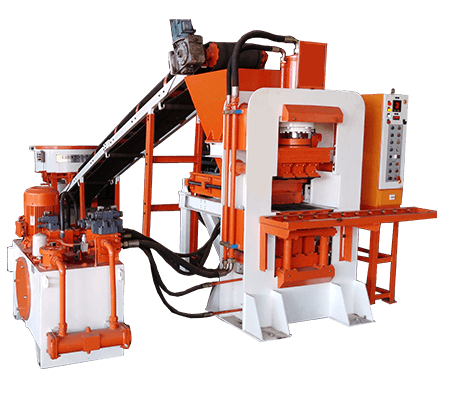
As the world moves towards sustainable development, the construction industry is undergoing a significant transformation. Traditional building materials are being replaced by eco-friendly alternatives, and fly ash bricks are at the forefront of this change.
Fly ash bricks are building materials made from fly ash, a byproduct of coal combustion, along with lime, gypsum, and water. They have gained popularity due to their numerous advantages over traditional clay bricks.
Utilize industrial waste, reducing environmental impact and helping manage coal power plant byproducts.
Offer high compressive strength and exceptional longevity, making them suitable for various construction applications.
Provide lower production costs compared to traditional clay bricks, offering significant savings for construction projects.
Feature better insulation properties, reducing energy consumption in buildings and contributing to overall sustainability.
The construction industry is one of the largest contributors to environmental degradation, with significant impacts on our planet:
| Environmental Impact | Statistics | Consequences |
|---|---|---|
| Energy Consumption | 40% of global energy consumption | Depletion of non-renewable resources, increased carbon emissions |
| Greenhouse Gas Emissions | 30% of greenhouse gas emissions | Climate change, global warming, adverse environmental effects |
| Resource Depletion | Massive depletion of natural resources | Soil erosion, habitat destruction, biodiversity loss |
To combat these issues, the industry is shifting towards sustainable construction practices, and fly ash bricks are playing a pivotal role in this transition.
Fly ash bricks have versatile applications across various construction sectors, demonstrating their adaptability and effectiveness:
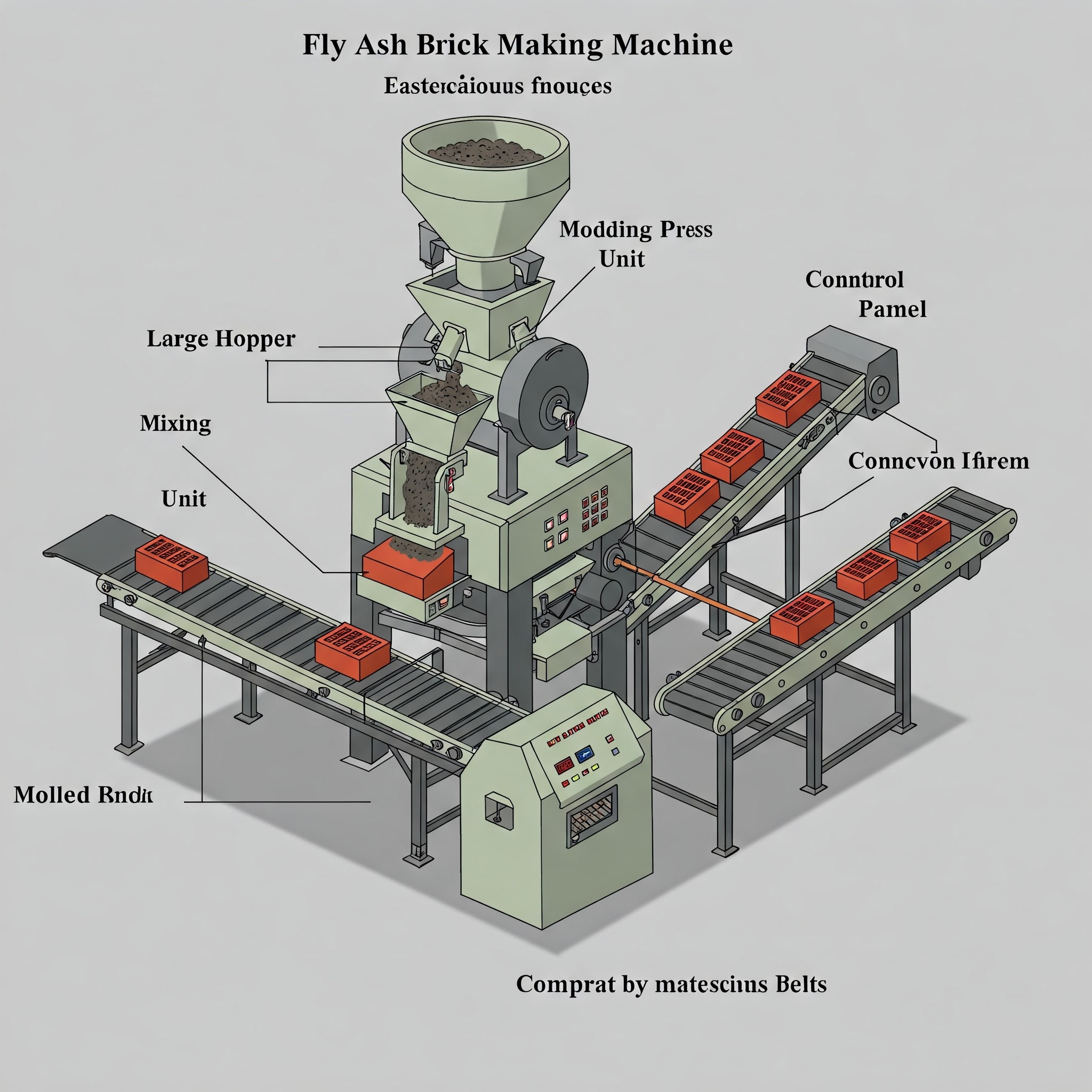
The demand for fly ash bricks is expected to grow significantly due to several key factors: