Loading...
Knowledge Article

What is Fly Ash?

A comprehensive guide to understanding fly ash, its properties, chemical composition, and applications in sustainable construction.

Fly ash material - sustainable byproduct from coal combustion used in eco-friendly construction
Knowledge Base

What is Fly Ash? Benefits and Uses in Brick Making

Fly ash is a fine, powdery byproduct of burning pulverized coal in thermal power plants. It is a versatile material that has gained significant attention in the construction industry, especially in the production of fly ash bricks. In this article, we'll explore what fly ash is, its benefits, and why it's widely used in brick-making.

5 min read
Updated 2024
Fly Ash Bricks - Sustainable and eco-friendly building materials for construction
What is Fly Ash?

A coal combustion byproduct with excellent pozzolanic properties

Eco-Friendly

Sustainable alternative that repurposes industrial waste

Construction Material

An excellent material for durable, cost-effective bricks

What is Fly Ash?

Fly ash is a residual material produced during the combustion of coal in power plants. It is collected from the flue gases using electrostatic precipitators or other filtration systems. Fly ash consists of tiny, spherical particles rich in silica, alumina, and iron, making it a valuable resource for various industrial applications.

Types of Fly Ash
Class F Fly Ash: Low in calcium content, typically produced from burning anthracite or bituminous coal.
Class C Fly Ash: High in calcium content, produced from burning sub-bituminous coal or lignite.

Benefits of Fly Ash

Fly ash offers numerous advantages, making it a preferred material in construction and brick-making:

  • Eco-Friendly: Fly ash is a recycled material that reduces the need for mining natural resources like clay.
  • Cost-Effective: Using fly ash in brick production lowers manufacturing costs compared to traditional clay bricks.
  • Lightweight: Fly ash bricks are lighter than conventional bricks, making them easier to handle and transport.
  • High Strength: Fly ash bricks have excellent compressive strength, making them durable and long-lasting.
  • Thermal Insulation: These bricks provide better thermal insulation, reducing energy consumption in buildings.
  • Reduces Waste: Utilizing fly ash helps reduce the environmental impact of coal combustion by repurposing waste material.

Why is Fly Ash Used in Brick Making?

Fly ash is a key ingredient in the production of fly ash bricks due to its unique properties:

  • Pozzolanic Properties: Fly ash reacts with lime and water to form a cement-like material, providing strength and durability to bricks.
  • Uniform Particle Size: The fine, spherical particles of fly ash ensure a smooth and consistent brick texture.
  • Reduces Shrinkage: Fly ash minimizes shrinkage during the curing process, resulting in fewer cracks and defects.
  • Energy Efficiency: Fly ash bricks require less energy to produce compared to traditional clay bricks, as they are cured at ambient temperatures.
  • Environmentally Sustainable: Using fly ash in brick-making reduces the demand for clay, conserves natural resources, and minimizes carbon emissions.

How Fly Ash Bricks Are Made

Fly ash bricks are manufactured using a simple yet efficient process:

1
Raw Materials

Fly ash, lime, gypsum, and water are mixed in precise proportions.

2
Mixing

The mixture is thoroughly blended to form a homogeneous paste.

3
Molding

The paste is poured into molds to shape the bricks.

4
Curing

The bricks are cured under controlled conditions to achieve optimal strength.

5
Drying

The cured bricks are dried and ready for use.

Applications of Fly Ash Bricks

Fly ash bricks are widely used in:

  • Residential and commercial construction
  • Infrastructure projects like roads, bridges, and dams
  • Industrial buildings and warehouses
  • Green building projects due to their eco-friendly nature

Environmental Impact of Fly Ash

Using fly ash in brick production has a positive environmental impact:

  • Reduces Landfill Waste: Fly ash repurposes coal combustion waste, reducing landfill usage.
  • Lowers Carbon Footprint: Fly ash bricks require less energy to produce, resulting in lower greenhouse gas emissions.
  • Conserves Natural Resources: By replacing clay with fly ash, the demand for natural resources is reduced.

Did you know? Every ton of fly ash used in brick production prevents approximately the same amount of CO2 emissions that would result from traditional clay brick manufacturing.

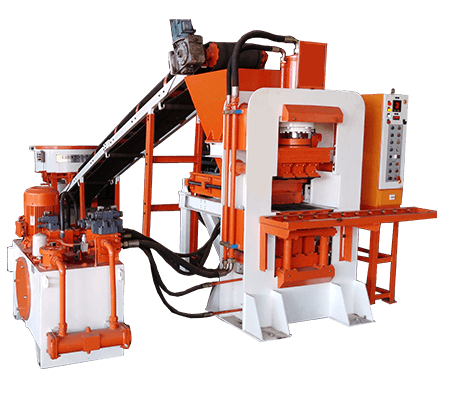
Fly Ash Machinery & Plant Setup

Interested in Fly Ash Brick Manufacturing?

Contact Jee Engineers today to learn more about our high-efficiency fly ash brick-making machines and plant solutions.

Scroll back to top
Jee Engineers Assistant